Common Dental Issues That May Lead to Tooth Extraction
Table of Contents
- Why Tooth Preservation Is Always the First Choice?
- Common Dental Problems That May Lead to Extraction
- Signs You Should Not Ignore
- Can Every Damaged Tooth Be Saved?
- How Early Treatment Can Help Avoid Extraction
- What We Evaluate Before Recommending Removal
- Ready to Protect Your Oral Health
- Frequently Asked Questions
Why Tooth Preservation Is Always the First Choice
Natural teeth are designed to support proper chewing, speech, and jaw function. Whenever possible, I prefer conservative treatment options that help preserve existing teeth. Modern dentistry offers many ways to restore damaged teeth. Fillings, crowns, root canal therapy, and other restorative solutions can often save teeth that would have been removed years ago. However, there are situations where keeping a tooth may create greater risks for surrounding teeth, gums, and overall oral health.Common Dental Problems That May Lead to Extraction
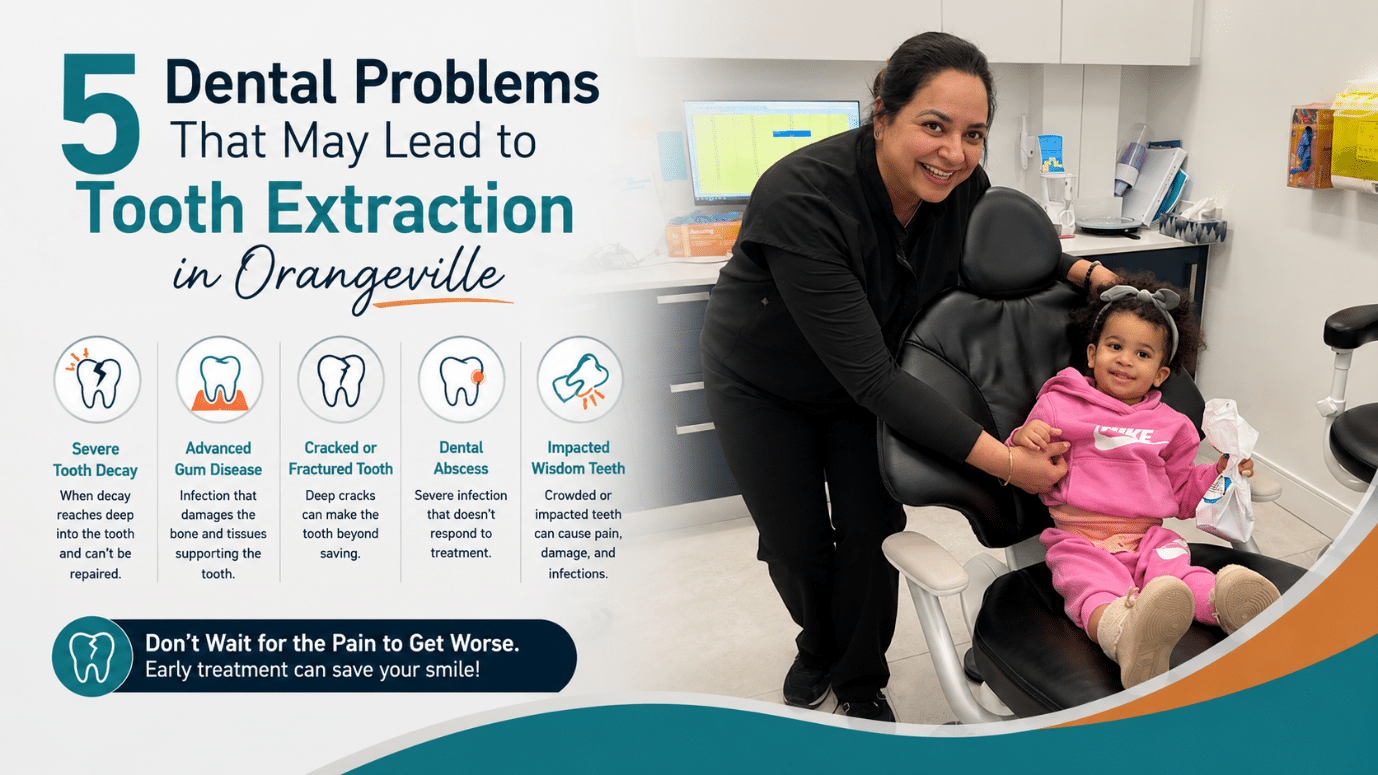
While situations are unique to each patient, certain dental issues are more likely to result in tooth removal when left untreated.- Severe Tooth Decay
- Advanced Gum Disease
- Dental Trauma and Accidents
- Impacted Wisdom Teeth
- Serious Dental Infections
Signs You Should Not Ignore
Many dental problems become more difficult to manage when treatment is delayed. Some warning signs include:- Persistent tooth pain that does not improve.
- Swelling around the gums or jaw.
- Sensitivity that continues after eating or drinking.
- Loose teeth without obvious injury.
- Difficulty chewing comfortably.
- Repeated infections around a tooth.
Can Every Damaged Tooth Be Saved?
This is one of the most common questions patients ask. The answer depends on several factors, including the amount of remaining tooth structure, gum health, infection severity, and overall long-term prognosis. At Toothbuds Dentistry, Dr. Kaur carefully assesses each situation before recommending treatment. Whenever a tooth can be predictably restored and maintained, preserving it is often the preferred option. Advances in restorative dentistry allow many damaged teeth to remain functional for years with proper care.How Early Treatment Can Help Avoid Extraction?
One of the best ways to reduce the risk of tooth loss is through preventive care. Regular examinations help identify problems while they are still small and manageable. Simple treatments performed early can often prevent larger issues from developing later. This is why routine visits remain one of the most valuable investments patients can make in their oral health.What We Evaluate Before Recommending Removal
Every treatment recommendation begins with a detailed examination. At Toothbuds Dentistry, Dr. Kaur assesses:- The extent of tooth damage.
- The health of surrounding gums and bone.
- Signs of infection or inflammation.
- Long-term predictability of restorative treatment.
- Overall impact on oral health and function.
Ready to Protect Your Oral Health
At Toothbuds Dentistry, we believe informed patients make confident decisions. If you are experiencing ongoing tooth pain, signs of infection, or concerns about a damaged tooth, our team can help determine the cause and explain your treatment options clearly. Our goal is always to preserve natural teeth whenever possible while supporting your long-term oral health, comfort, and confidence.Frequently Asked Questions
1. How do I know if a tooth needs extraction?
Persistent pain, severe decay, advanced gum disease, significant damage, or infection may indicate that a tooth should be evaluated for possible removal.2. Is extraction always the first treatment option?
No. Preserving natural teeth is usually the priority. Other restorative options are often considered before extraction becomes necessary.3. Can a root canal prevent extraction?
In many cases, yes. Root canal therapy can remove infection and help save a tooth that might otherwise require removal.4. Are wisdom teeth always removed?
Not always. Wisdom teeth may remain if they are healthy, functional, and positioned correctly without causing problems.5. What happens if I delay treatment?
Delaying treatment can allow dental issues to worsen, potentially leading to infection, increased discomfort, and more complex procedures. More complex procedures always lead to a larger investment in time, care and finances.6. Is recovery after extraction difficult?
Most patients recover well when they follow post-procedure instructions and maintain proper oral care during healing.7. Can missing teeth be replaced?
Yes. Options may include dental implants, bridges, or dentures depending on the patient's needs and goals.
Dr. Kaur, a General Dentist, has been enriching the field of dentistry with her expertise for over 13 years, having obtained her license in Canada in 2015. A holder of a BDS degree, Dr. Kaur’s proficiency spans a wide array of dental services, including General and Cosmetic Dentistry, Wisdom Teeth Extractions, Invisalign, and more. Her commitment to her craft is further evidenced by her memberships in prestigious organizations like the Ontario Dental Association, the Academy of General Dentistry, and the Royal College of Dental Surgeons of Ontario.
Renowned for her patient-focused approach, Dr. Kaur emphasizes the importance of listening and customizing treatments to meet individual needs, viewing dentistry not only as a science but also as an art form dedicated to enhancing and restoring smiles. Her dedication to ongoing education ensures she remains at the cutting edge of dental advancements.
Outside her professional life, Dr. Kaur enjoys family time, travel, and cinema, adding a relatable and approachable dimension to her persona. She is passionate about delivering professional and quality dental care, driven by her desire to connect with people and address their dental needs effectively.
Dr. Kaur’s journey in dentistry serves as an inspiration for aspiring dental professionals, advocating determination, motivation, and enjoyment in their work. Follow her journey and professional updates on Instagram @drprabh84, where she continues to inspire both her patients and peers in the dental community.