How Do We Diagnose and Treat Jaw Pain for Long-Term Relief?
Jaw pain can affect your daily life in ways you might not expect. It can make eating uncomfortable, speaking difficult, and even lead to recurring headaches or facial tension. If you have been dealing with these symptoms, the answer lies in identifying the root cause early and starting the right treatment plan. As a office focused on jaw disorder treatment in Orangeville, we take a comprehensive approach to diagnosing and managing conditions related to the Temporomandibular joint (TMJ), helping our patients find lasting relief.
Table of Contents
- What Causes Jaw Pain and TMJ Disorders?
- Signs You May Need Jaw Disorder Treatment
- How We Diagnose TMJ Disorders
- Treatment Options for Jaw Pain and TMJ Disorders
- The Link Between TMJ Disorders and Headaches
- Why Choose Toothbuds Dentistry for TMJ Care?
- How We Support Long-Term Jaw Health
- Take the First Step Toward Relief
- FAQs
What Causes Jaw Pain and TMJ Disorders?
The temporomandibular joint connects your jaw to your skull and plays a key role in everyday movements like chewing and speaking. When this joint becomes strained or misaligned, it can lead to discomfort and functional issues.
Common causes of jaw disorders include:
- Teeth grinding or clenching, often linked to stress
- Misaligned bite or uneven pressure on teeth
- Injury or trauma to the jaw
- Arthritis affecting the joint
- Muscle tension in the face and neck
Understanding the cause is essential because effective treatment depends on accurate diagnosis. We take time to evaluate each patient’s symptoms, lifestyle, and oral health history before recommending a solution.
Signs You May Need Jaw Disorder Treatment
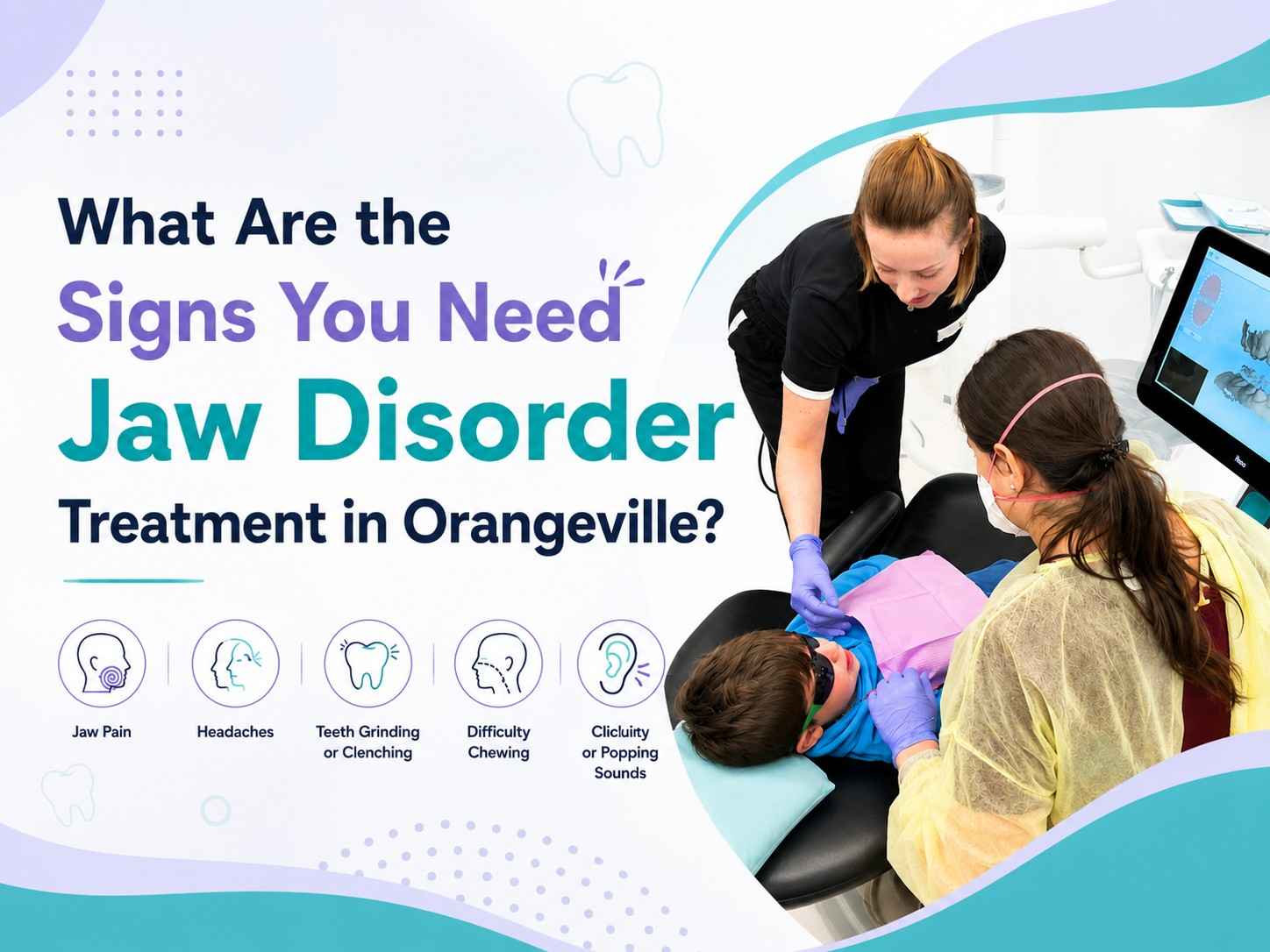
Jaw disorders often develop gradually, and symptoms can be easy to overlook at first. However, early attention can prevent the condition from worsening. You may benefit from professional evaluation if you experience:
- Persistent jaw pain or tenderness
- Clicking or popping sounds when opening your mouth
- Difficulty chewing or discomfort while eating
- Locking of the jaw joint
- Frequent headaches or facial pain
When these symptoms are present, seeking jaw pain treatment in Orangeville can help address the issue before it leads to more serious complications.
How We Diagnose TMJ Disorders
Accurate diagnosis is the foundation of effective treatment. We begin with a detailed consultation to understand your symptoms and concerns. This is followed by a thorough examination of your jaw movement, bite alignment, and muscle condition.
We may also use advanced tools such as digital imaging and intraoral cameras to gain a clearer view of your jaw structure. These technologies allow us to identify underlying problems and explain them clearly, so you understand your condition and treatment options.
Our goal is to provide clarity and confidence, ensuring you feel informed every step of the way.
Treatment Options for Jaw Pain and TMJ Disorders
Once we identify the cause, we create a personalized treatment plan designed to relieve pain and restore normal function. Treatment may include:
- Adjusting Your Bite Position: The most important step is to gently reposition your bite into the proper position utilizing professionally designed appliances. These bite adjustments are vital to help in correcting proper and comfortable bite position.
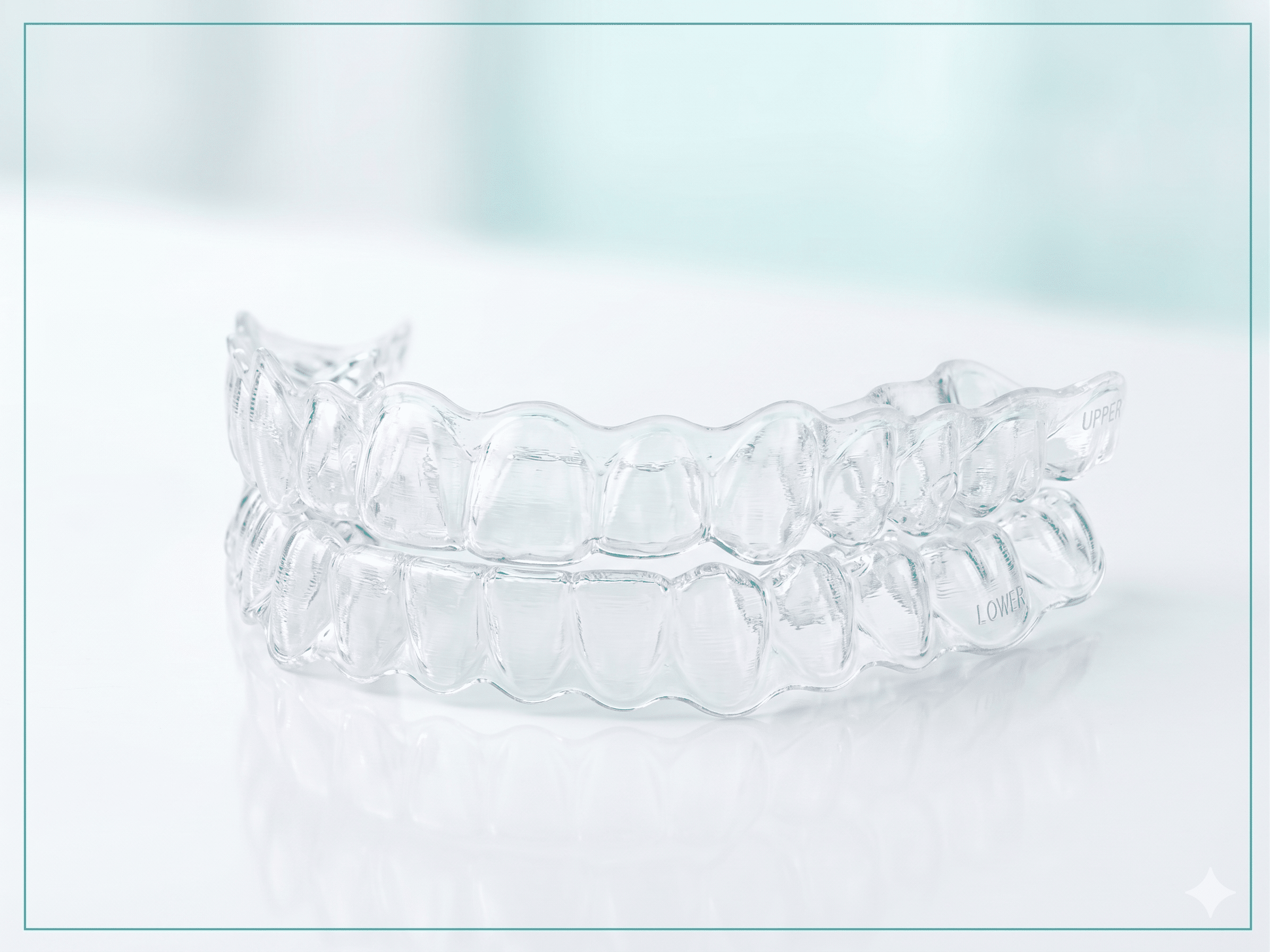
- Custom Night Guards: These help reduce teeth grinding and relieve pressure on the jaw joint during sleep
- Jaw Exercises: Gentle movements to improve flexibility and strengthen surrounding muscles
- Lifestyle Adjustments: Guidance on stress management, posture, and avoiding habits that strain the jaw
- Pain Management Solutions: Temporary relief options for inflammation and discomfort
Each treatment plan is tailored to the patient’s needs, ensuring a targeted and effective approach.
The Link Between TMJ Disorders and Headaches
Many patients are surprised to learn that jaw disorders can cause frequent headaches. Tension in the jaw muscles can spread to the temples, neck, and shoulders, leading to discomfort that may feel like migraines.
By addressing the underlying jaw issue, we can often reduce or eliminate these headaches. This is why proper diagnosis and treatment are so important for long-term relief.
Why Choose Toothbuds Dentistry for TMJ Care?
At Toothbuds Dentistry, we focus on providing patient-centred care that addresses both the symptoms and the root cause of jaw disorders. As a trusted TMJ office in Orangeville, we take a comprehensive approach to treatment, ensuring that each patient receives personalized attention and effective solutions.
Our team combines experience, modern technology, and a strong focus on patient comfort to deliver reliable results. Dr. Kaur guides patients through every step of their treatment, helping them understand their condition and feel confident in their care plan.
How We Support Long-Term Jaw Health
Treating jaw pain is not just about immediate relief, it’s about preventing the problem from returning. We work closely with our patients to develop long-term strategies that support jaw health, including:
- Maintaining proper oral hygiene
- Managing stress to reduce clenching or grinding
- Using protective appliances when needed
- Attending regular dental checkups
These steps help ensure that your jaw remains healthy and functional over time.
Take the First Step Toward Relief
Jaw pain should not be ignored, especially when it begins to affect your daily life. With the right diagnosis and treatment, it is possible to relieve discomfort and restore normal function.
At Toothbuds Dentistry, we are committed to helping our patients achieve lasting relief through personalized care and professional expertise. If you are experiencing jaw pain or related symptoms, schedule a consultation today and take the first step toward better jaw health.
FAQs
1. What is a TMJ disorder?
A TMJ disorder affects the Temporomandibular joint connecting your jaw to your skull, leading to pain, stiffness, clicking sounds, and difficulty in chewing, speaking, or opening and closing your mouth comfortably.2. How do I know if my jaw pain is serious?
Jaw pain may be serious if it persists, worsens over time, limits movement, or is accompanied by clicking, locking, swelling, or headaches, indicating the need for professional dental evaluation and care.3. Can TMJ disorders cause headaches?
Yes, TMJ disorders can cause headaches due to muscle tension and joint strain, often felt around the temples, forehead, or neck, and may resemble tension headaches or even migraine-like symptoms.4. Are TMJ treatments painful?
Most TMJ treatments are non-invasive and designed to reduce pain, not cause it. Options like night guards, exercises, and lifestyle adjustments help relieve discomfort and improve jaw function gradually.5. How long does TMJ treatment take?
The length of TMJ treatment varies depending on severity, cause, and response to care. Some patients experience relief within weeks, while others may require ongoing management for long-term improvement.6. Can stress affect my jaw health?
Yes, stress can significantly impact jaw health by causing clenching or grinding of teeth, increasing pressure on the Temporomandibular joint, which may lead to pain, stiffness, and long-term jaw issues.7. Do I need surgery for TMJ disorders?
Surgery is a last resort for TMJ disorders. Most cases are successfully managed with non-surgical treatments such as night guards, physical therapy, medications, and lifestyle changes focused on reducing strain.8. Can children develop TMJ disorders?
Yes, children can develop TMJ disorders, although it is less common. Symptoms like jaw pain, clicking, or difficulty chewing should be evaluated early to prevent complications and support healthy jaw development.
Dr. Kaur, a General Dentist, has been enriching the field of dentistry with her expertise for over 13 years, having obtained her license in Canada in 2015. A holder of a BDS degree, Dr. Kaur’s proficiency spans a wide array of dental services, including General and Cosmetic Dentistry, Wisdom Teeth Extractions, Invisalign, and more. Her commitment to her craft is further evidenced by her memberships in prestigious organizations like the Ontario Dental Association, the Academy of General Dentistry, and the Royal College of Dental Surgeons of Ontario.
Renowned for her patient-focused approach, Dr. Kaur emphasizes the importance of listening and customizing treatments to meet individual needs, viewing dentistry not only as a science but also as an art form dedicated to enhancing and restoring smiles. Her dedication to ongoing education ensures she remains at the cutting edge of dental advancements.
Outside her professional life, Dr. Kaur enjoys family time, travel, and cinema, adding a relatable and approachable dimension to her persona. She is passionate about delivering professional and quality dental care, driven by her desire to connect with people and address their dental needs effectively.
Dr. Kaur’s journey in dentistry serves as an inspiration for aspiring dental professionals, advocating determination, motivation, and enjoyment in their work. Follow her journey and professional updates on Instagram @drprabh84, where she continues to inspire both her patients and peers in the dental community.