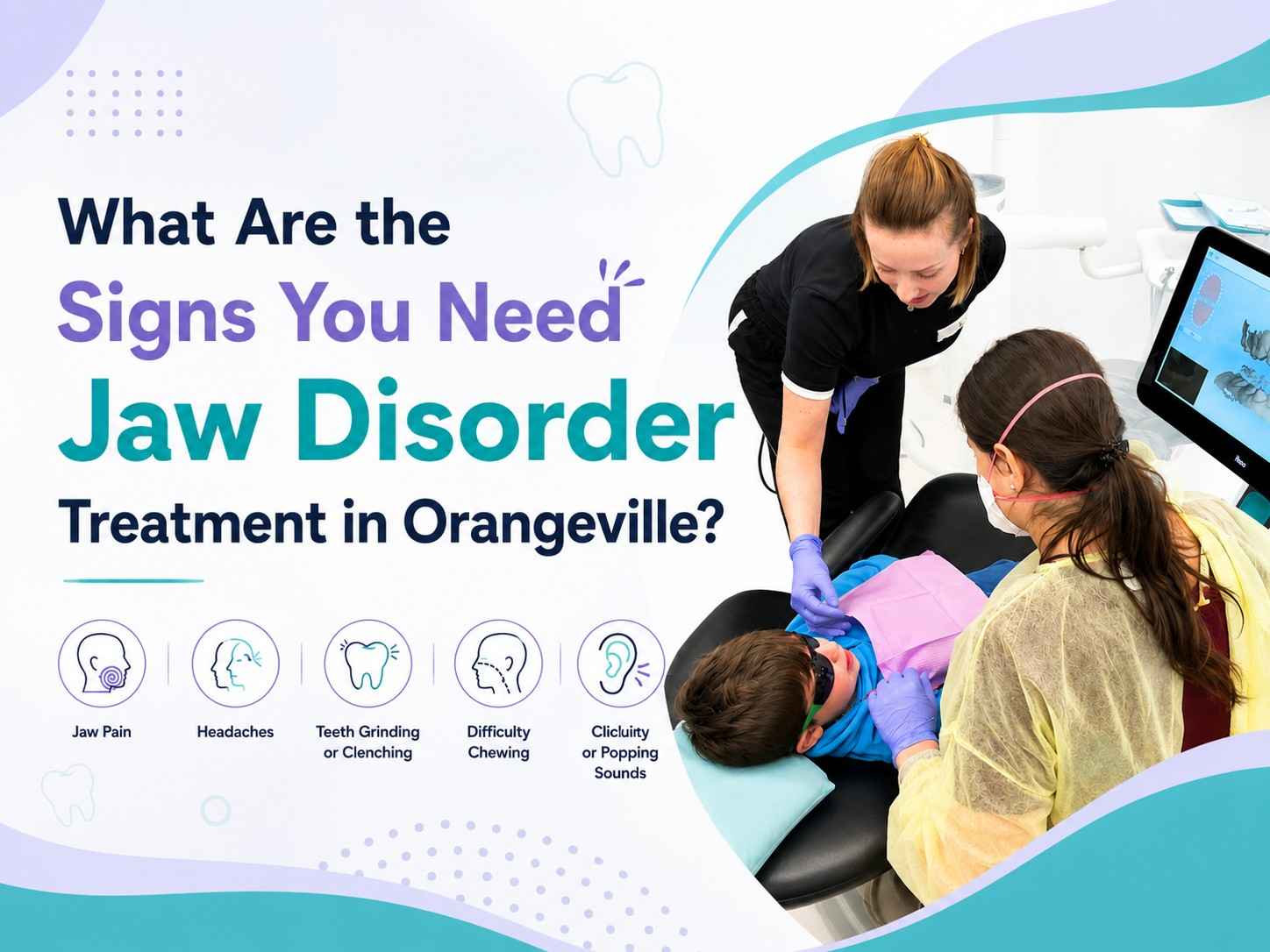
What Are the Signs You Need Jaw Disorder Treatment in Orangeville?
Table of Contents
- What Is a TMJ Disorder?
- Common Signs Your Jaw May Need Attention
- Symptoms Beyond the Jaw
- When Should You Seek Professional Care?
- How TMJ Disorders Are Diagnosed
- Treatment Options for TMJ Symptoms
- Can TMJ Problems Go Away Without Treatment?
- Find Comfortable, Personalized Dental Care
- FAQs
What Is a TMJ Disorder?
The temporomandibular joints connect your jawbone to your skull. These joints help you speak, chew, yawn, and move your mouth comfortably. When the joints or surrounding muscles become strained or damaged, you may develop TMJ disorder. This condition can affect daily comfort and make simple movements painful. TMJ issues can happen because of Teeth grinding, Jaw clenching, Stress, Bite problems, Arthritis and Injury to the jaw. Some people experience mild symptoms, while others struggle with long-term pain and limited jaw movement.Common Signs Your Jaw May Need Attention
TMJ disorders often begin with small symptoms that gradually become more noticeable.- Frequent Headaches Around the Temples: One of the most common symptoms is recurring pain near the temples or sides of the head. Jaw tension can place pressure on nearby muscles, leading to headaches that feel similar to migraines. Many patients searching for TMJ headache treatment in Orangeville are surprised to learn their headaches may actually start in the jaw joint.
- Jaw Clicking or Popping Sounds: A clicking sound when opening or closing your mouth may signal joint strain or movement problems. Occasional clicking without pain may not always require treatment. However, if the sound is paired with discomfort, stiffness, or limited movement, it should not be ignored.
- Pain While Chewing: Eating should not feel uncomfortable. Pain during chewing may suggest that the jaw joints or muscles are under stress. Some people avoid hard foods because jaw movement becomes painful or tiring over time.
- Jaw Locking or Limited Movement: Difficulty fully opening or closing the mouth is another warning sign. In some cases, the jaw may temporarily lock in place. This can affect speech, eating, and daily comfort.
Symptoms Beyond the Jaw
TMJ disorders can also affect nearby muscles and nerves. This is why symptoms may appear in different parts of the face and neck.- Facial Tension and Ear Pain: Many people feel pressure around the cheeks or ears. Some even believe they have an ear infection because the discomfort feels so similar.
- Neck and Shoulder Discomfort: Jaw tension can spread to the neck and shoulders. Tight muscles often work together, causing wider areas of discomfort.
- Trouble Sleeping: Nighttime teeth grinding may place pressure on the jaw joints while you sleep. This can lead to morning headaches, jaw soreness, and poor sleep quality.
When Should You Seek Professional Care?
You should schedule a dental evaluation if symptoms:- Last longer than a few weeks
- Affect eating or speaking
- Cause daily headaches or facial pain
- Lead to jaw locking or stiffness
- Continue getting worse over time
How TMJ Disorders Are Diagnosed
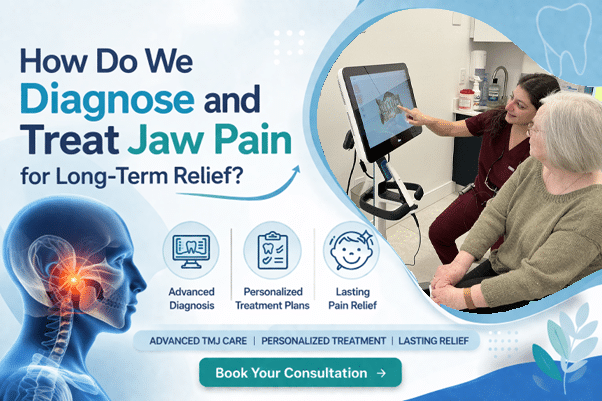
A dental examination usually includes checking jaw movement, bite alignment, joint sounds, and muscle tenderness. Digital imaging may also help identify joint problems or stress on the surrounding structures. If you are looking for the best dentist in Orangeville, it is important to choose a dental team that carefully evaluates jaw pain, headaches, and long-term TMJ symptoms. At Toothbuds Dentistry, patient comfort and clear communication remain an important part of every evaluation. Understanding the cause of discomfort helps create a care plan that fits your needs.Treatment Options for TMJ Symptoms
Treatment depends on the severity of symptoms and the underlying cause. Common Approaches May Include| Treatment Option | Purpose |
|---|---|
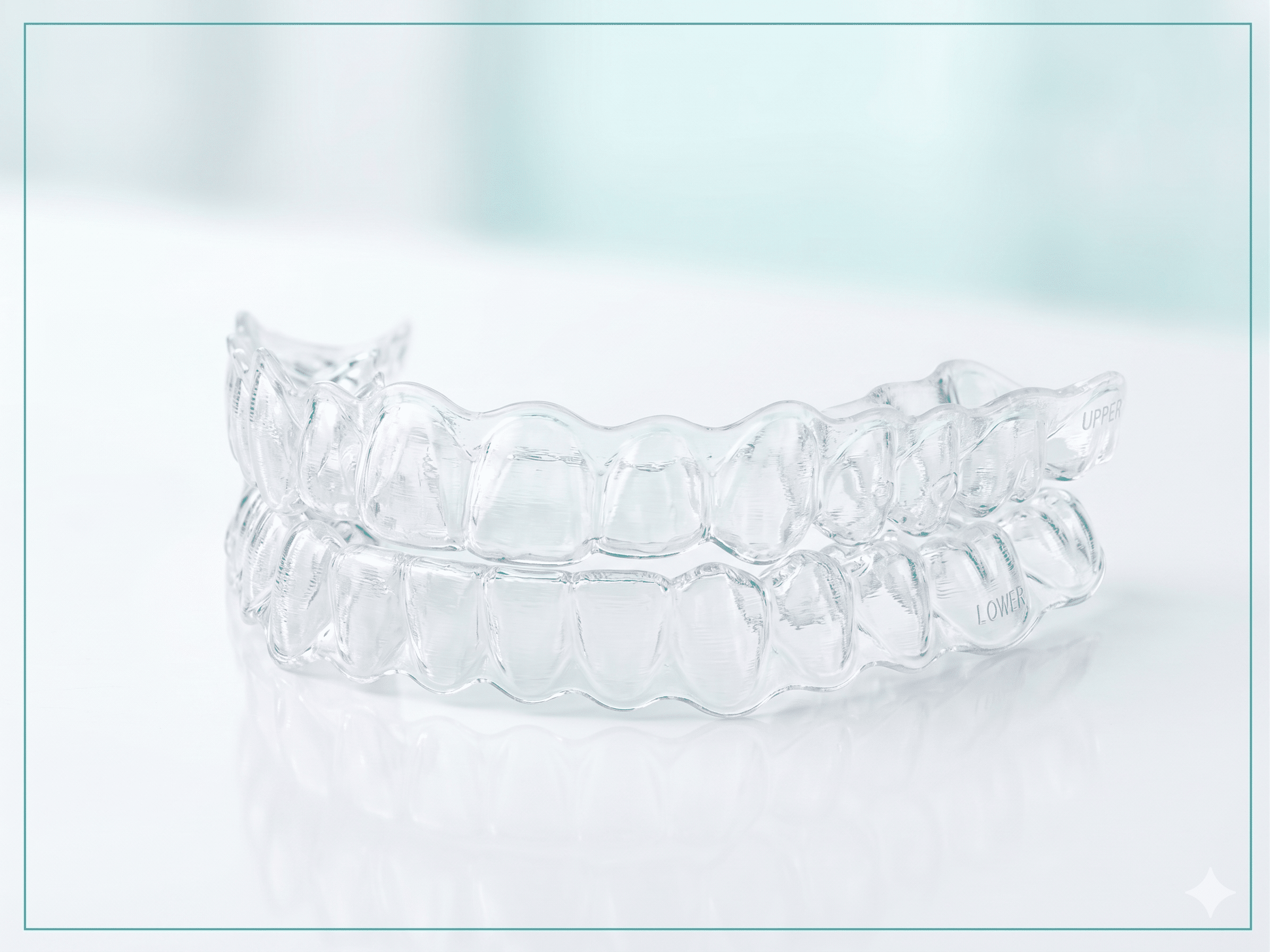
| Night guards | Reduce teeth grinding and jaw pressure |
| Bite adjustment | Improve jaw alignment |
| Jaw exercises | Strengthen and relax muscles |
| Stress management | Lower jaw clenching habits |
| Lifestyle changes | Reduce strain during eating and speaking |
Can TMJ Problems Go Away Without Treatment?
Some mild TMJ symptoms may improve for a short time, but ongoing strain on the jaw can continue affecting the joints and surrounding muscles. When these symptoms are ignored, everyday activities like eating, speaking, and even sleeping may become more uncomfortable. Over time, untreated jaw problems can lead to chronic pain, frequent headaches, difficulty chewing, long-term jaw stiffness, and excessive tooth wear caused by grinding or clenching. Seeking professional care early can help reduce discomfort, improve jaw function, and prevent symptoms from becoming more severe.
Why Early Diagnosis Matters
Jaw disorders can affect more than oral health. They may interfere with sleep, concentration, eating habits, and overall quality of life. Early diagnosis allows dentists to identify patterns before symptoms become severe. It also helps reduce long-term stress on the joints and surrounding muscles. Patients often feel relief simply by understanding the cause of their discomfort and learning how to manage daily triggers.Find Comfortable, Personalized Dental Care
Jaw pain and recurring headaches should not become part of your daily routine. At Toothbuds Dentistry, we focus on patient comfort, careful evaluations, and personalized care for long-term oral health. If jaw stiffness, facial tension, or headaches are affecting your quality of life, our team can help identify the cause and discuss treatment options designed for your comfort and needs.FAQs
1. What are the first signs of a TMJ disorder?
Early symptoms often include jaw clicking, mild headaches, facial tension, or discomfort while chewing. Some people also notice jaw stiffness in the morning. These signs may appear gradually and become worse over time if left untreated.2. Can TMJ disorders cause headaches every day?
Yes. TMJ disorders can place pressure on nearby muscles and nerves, leading to recurring headaches. Pain often appears around the temples, forehead, or jaw area and may feel similar to tension headaches or migraines.3. Is jaw clicking always a sign of TMJ disorder?
Not always. Some people experience harmless jaw sounds without pain. However, clicking combined with discomfort, stiffness, or limited movement may indicate joint dysfunction and should be professionally evaluated.4. What causes jaw pain while eating?
Jaw pain during meals may happen because the muscles and joints become strained during chewing. Bite problems, teeth grinding, and joint inflammation are common causes of this discomfort.5. Can stress make TMJ symptoms worse?
Yes. Stress often increases jaw clenching and teeth grinding, especially during sleep. This extra pressure can worsen headaches, facial tension, and jaw soreness.6. How is TMJ disorder treated?
Treatment depends on the cause and severity of symptoms. Common options include night guards, jaw exercises, bite adjustments, and lifestyle changes that reduce stress on the joints.7. Can children and teenagers develop TMJ problems?
Yes. Jaw disorders can affect people of different ages. Teeth grinding, sports injuries, and bite alignment issues may contribute to symptoms in younger patients.
Dr. Kaur, a General Dentist, has been enriching the field of dentistry with her expertise for over 13 years, having obtained her license in Canada in 2015. A holder of a BDS degree, Dr. Kaur’s proficiency spans a wide array of dental services, including General and Cosmetic Dentistry, Wisdom Teeth Extractions, Invisalign, and more. Her commitment to her craft is further evidenced by her memberships in prestigious organizations like the Ontario Dental Association, the Academy of General Dentistry, and the Royal College of Dental Surgeons of Ontario.
Renowned for her patient-focused approach, Dr. Kaur emphasizes the importance of listening and customizing treatments to meet individual needs, viewing dentistry not only as a science but also as an art form dedicated to enhancing and restoring smiles. Her dedication to ongoing education ensures she remains at the cutting edge of dental advancements.
Outside her professional life, Dr. Kaur enjoys family time, travel, and cinema, adding a relatable and approachable dimension to her persona. She is passionate about delivering professional and quality dental care, driven by her desire to connect with people and address their dental needs effectively.
Dr. Kaur’s journey in dentistry serves as an inspiration for aspiring dental professionals, advocating determination, motivation, and enjoyment in their work. Follow her journey and professional updates on Instagram @drprabh84, where she continues to inspire both her patients and peers in the dental community.